The word is out – landowners are realising that they can make a sizeable income while reducing Australia’s greenhouse gas emissions and improving productivity!
Win , win, win.
Background – ACCUs
Among the Federal Government’s initiatives to reduce greenhouse gas emissions is the Climate Solutions Fund, previously known as the Emissions Reduction Fund. Administered by the Clean Energy Regulator, the scheme provides incentives for participants to engage in projects that will reduce Australia’s carbon emissions, also known as carbon abatement.
By implementing projects that are approved by the Clean Energy Regulator, participants earn Australian carbon credit units (ACCUs) for every tonne of ‘carbon dioxide equivalent’ they are able to store or avoid emitting. Participants then sell their ACCUs, either to the Government under fixed price or option type contracts, or they can sell them on the open market.
It is possible that one hectare of land could earn more than 120 ACCUs over a period of 10 years.
According to the Clean Energy Regulator’s March Quarterly Carbon Market Report, at its auction in March, the Government made a commitment to purchase 1.7 million tonnes of carbon abatement across 11 projects, at an average price of $16.14 per ACCU.
The report indicates that in the secondary market, the trading price for immediate delivery of ACCUs at the end of March was $16.40.
Here’s a link to the report: http://www.cleanenergyregulator.gov.au/DocumentAssets/Documents/Quarterly%20Carbon%20Market%20Report%20-%20March%20Quarter%202020.pdf
Soil carbon farming – a long term commitment
There are several ways that the agriculture sector is taking advantage of this initiative and earning ACCUs.
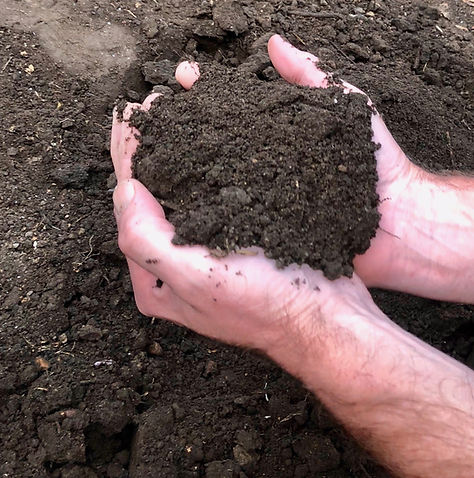
One method approved by the Clean Energy Regulator which is becoming popular for landowners is soil carbon farming. Known as carbon sequestration, soil carbon farming involves the extraction and capture of carbon based greenhouse gas from the atmosphere and the long-term or permanent storage of it in the soil.
Landowners manage crops, pasture, stocking rates and grazing practices in a way that over the space of 3 to 5 years increases soil carbon levels.

Soil carbon projects require a commitment from the landowner to maintain the storage of carbon for 25 years after the first ACCUs are issued. Most landowners participating in soil carbon projects can expect to claim their first ACCUs 3 to 5 years after registration of their project.
The soil is measured for carbon levels at the commencement of the project and at least every 5 years throughout the term. The increase in soil carbon above previous levels determines how many ACCUs are earned.
Of course there are many administrative hoops for participants to jump through. These include registering the project, securing a contract for the sale of the ACCUs, complying with testing, auditing and reporting requirements, and claiming and being paid for the ACCUs.
There are many consulting companies and individuals emerging in this field who are providing landowners with assistance to participate in soil carbon farming. Consultants offer a variety of services from initial feasibility studies through to developing projects, registering with the Clean Energy Regulator, and ensuring administrative requirements are met.
At Moin Morris Schaefer we are taking a keen interest in the carbon credit schemes that are emerging. We regularly provide legal advice in relation to agreements that landowners might be asked to sign with consultants. We can also advise in relation to the government contracts that landowners must enter if they are to be paid by the government for their ACCUs.
If you want the highest quality legal advice on your legal obligations if participating in carbon credits schemes call our office on (02) 6772 4899 (both offices) and make an appointment today.